The Ultimate Guide to Selecting High‑Performance Brake Pads
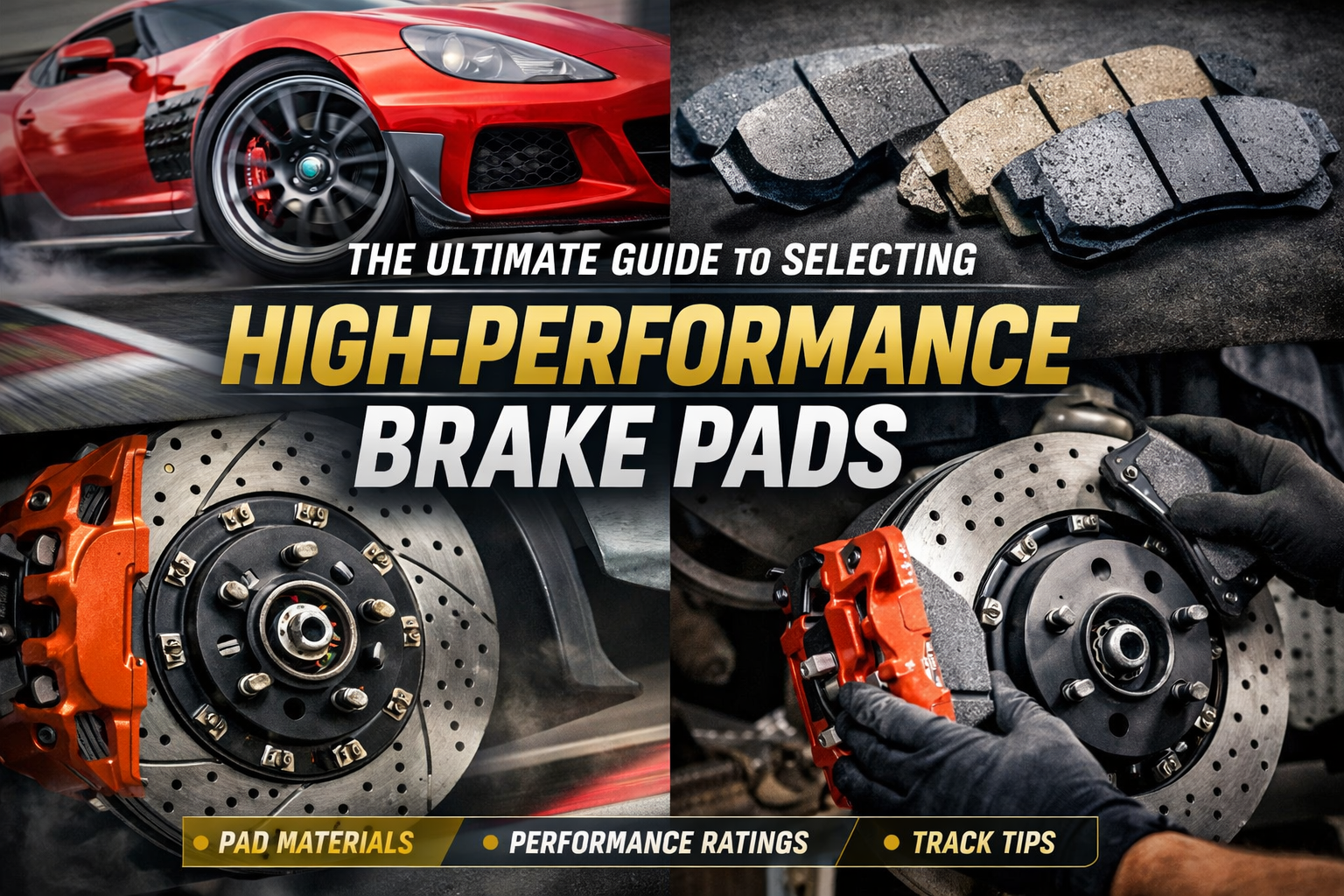
Learn how to choose the best brake pads for your track car with our comprehensive guide. Find out about materials, performance ratings, and more.
Choosing the right brake pads is one of the most impactful performance upgrades you can make for a track car. The difference between average and optimized braking performance isn’t just about stopping distance it’s about heat management, fade resistance, modulation, and overall control during high‑stress track sessions. Whether you’re preparing for your first track day or upgrading a dedicated race machine, this guide walks through what matters most.
Why Brake Pads Matter for Track Cars
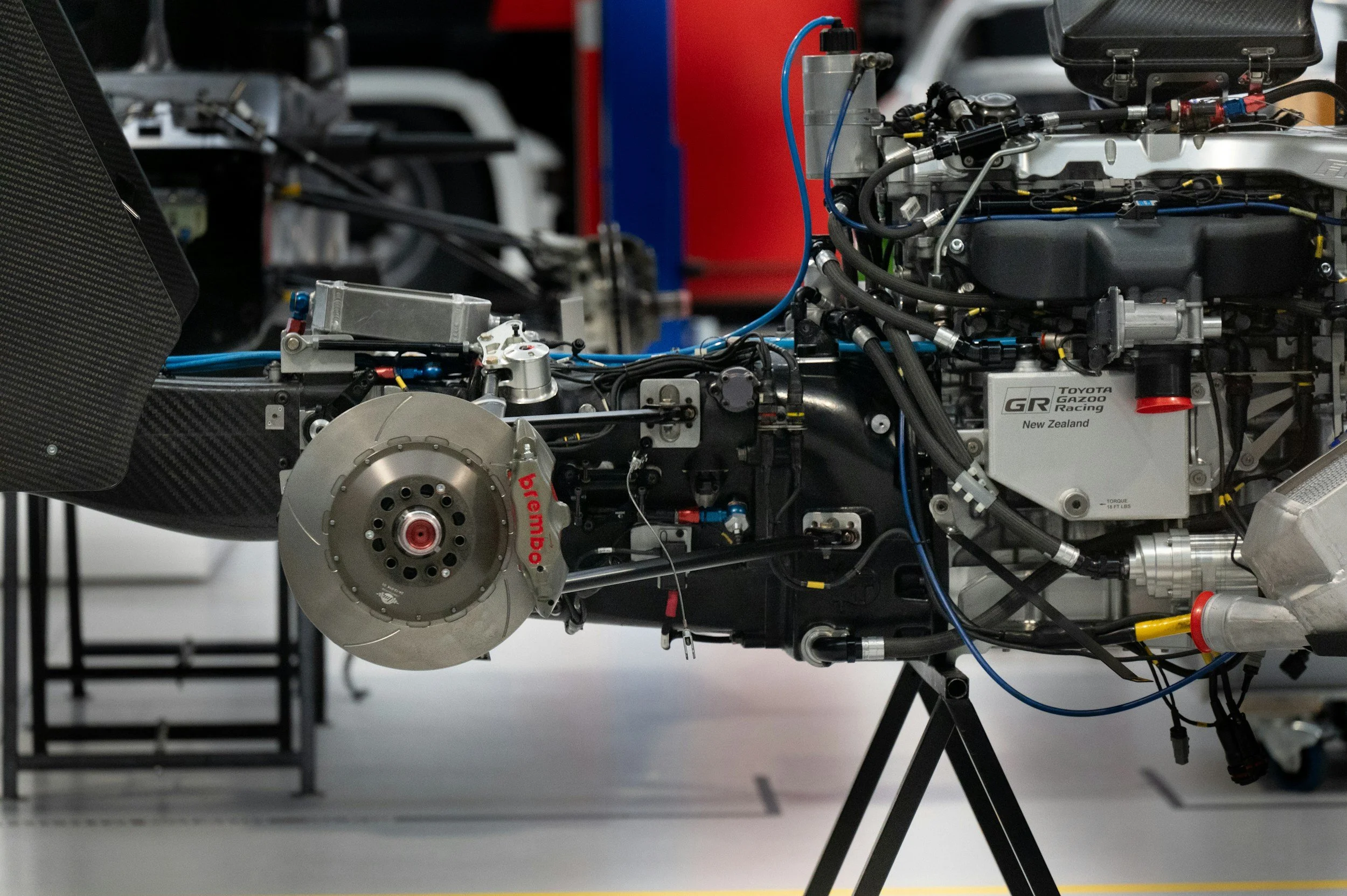
Brembo brake caliper on a Gazoo Racing prototype car
Brake pads are critical components in your braking system. When you press the brake pedal, pads clamp against the brake rotors to create friction, converting kinetic energy into heat and slowing the car down. Different compositions and designs influence:
Stopping power
Heat tolerance
Modulation and pedal feel
Wear on pads and rotors
On the track, brakes endure repeated hard use and elevated temperatures that street‑oriented pads simply aren’t built to handle, making the selection of performance‑oriented pads essential for safety and lap time performance.
Understanding Brake Pad Materials
1. Organic (Non‑Metallic) Pads
Composition: Typically made from fiber and resin compounds.
Pros: Softer, quieter, and gentle on rotors.
Cons: Lower heat tolerance not ideal for intense track use and may fade under sustained heavy braking.
2. Semi‑Metallic Pads
Composition: Mix of metals and organic materials.
Pros: Better stopping power and heat dissipation than purely organic pads.
Cons: Can produce more noise and dust. Great compromise for spirited driving or occasional track days.
3. Metallic/Carbon‑Metallic Pads
Composition: High metal content and sometimes carbon fibers.
Pros: Excellent high‑temperature performance and fade resistance, making them well‑suited to track driving.
Cons: Noisier and may wear rotors faster.
4. Ceramic Pads
Composition: Ceramic compounds with fine metal fibers.
Pros: Quiet operation, low dust.
Cons: Heat tolerance and performance often lag behind aggressive metallic compounds in pure track environments. Best for street‑to‑track use.
Choosing the right material hinges on how intensely you’ll use the car and the temperatures your brakes will encounter on track.
The Importance of Pairing Brake Pads with the Right Rotors
Choosing the right brake pads is only half the equation to unlock their full potential, you must pair them with rotors that match their heat range, material, and performance goals.
Why It Matters:
Mismatched materials can cause uneven wear, reduced braking efficiency, or even rotor warping.
Track-focused pads require rotors with superior cooling features like drilled, slotted, or vented designs to manage thermal stress.
The compound of the pad (ceramic, semi-metallic, carbon-metallic) should be compatible with the rotor's metallurgy and surface treatment to avoid glazing or cracking.

Where to Shop:
At World4Track, you'll find a curated selection of performance-matched pad and rotor combinations, optimized for track cars, performance upgrades, and racing applications. Whether you're running a lightweight corner carver or a high-horsepower build, their catalog makes it easy to find rotor and pad kits that work in harmony for maximum stopping power.
Shop now at world4track.com for high-performance brake pad and rotor pairings.
Key Performance Ratings to Consider
Coefficient of Friction
This rating defines how much grip the brake pad generates against the rotor. Higher values mean better braking force but you also need modulation to avoid sudden lockups.
Operating Temperature Range
Every compound has a minimum and maximum effective temperature. Track pads often have high minimum temps meaning they perform only once hot — and can handle extreme max temps without fading.
Fade Resistance
Brake fade is a loss of stopping power due to heat buildup. Quality track pads manage heat better, maintaining consistent friction through repeated laps.
Track vs. Street Pads: What’s the Difference?
Track‑oriented pads: Designed to perform in high temperature ranges and resist brake fade even under repeated use.
Street pads: Prioritize comfort, reduced noise, and dust control, but may struggle on a racetrack.
Many enthusiasts swap between street pads for daily driving and track pads for events. It’s a practical way to optimize performance without sacrificing everyday usability.
Tips for Choosing and Using Track Brake Pads
Match to Your Driving Style
If you’re new to the track or occasionally attend events, consider a compound that bridges street and track performance. Regular racers may prefer aggressively formulated metal or carbon‑metallic pads.
Break‑In (Bedding) Matters
Proper bedding transfers a thin layer of pad material onto the rotor. This ensures consistent friction and optimal performance, especially for performance compounds.
Consider Your Vehicle Specs
Heavier, more powerful cars generate more heat choosing pads with higher temperature tolerance matters more for these setups.
Don’t Ignore Wear
High‑performance pads tend to wear faster than street pads. Track drivers should monitor thickness and replace before performance drops.
Making the Upgrade Count
Upgrading to high‑performance brake pads is one of the most effective performance upgrades you can make for track driving. The right pads will deliver shorter stopping distances, better heat management, and more confidence under hard braking all of which can directly translate to faster laps and safer track experiences.
Remember: the best pad for you depends on your track usage, car setup, and personal driving goals. With the right choices, you’ll harness the full potential of your braking system.
Still Unsure? We’re Here to Help
Selecting the perfect brake pad and rotor combo can be overwhelming but you don’t have to figure it out alone. If you have any questions about compatibility, performance needs, or which setup is best for your track car, contact us at World4Track. Our experts are ready to help you choose the right aftermarket parts, performance upgrades, and race-ready brake systems.
🔧 Ready to upgrade? Browse our full collection of performance brake pads and rotors at world4track.com where track performance starts with the right parts.